
Value-Based Communication with Patients
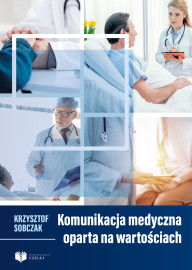
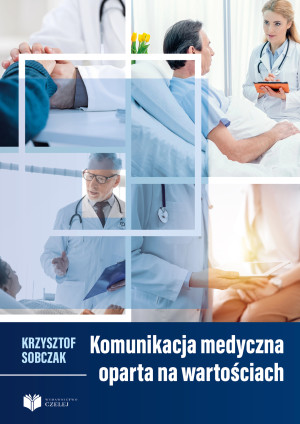
*Communication with the Patient* is a publication dedicated to one of the most important areas of modern medicine—the relationship between medical staff and patients. The author demonstrates that effective medical communication is not merely about conveying information, asking questions, or using pre-established conversation techniques. Its significance runs much deeper and encompasses building trust, a sense of security, respect, and a responsible relationship with the patient.
Krzysztof Sobczak’s book combines a practical approach to communication with reflections on the values that should underpin medical practice. Issues such as patient autonomy, beneficence, non-maleficence, justice, respect, and responsibility occupy a special place in the book. The author focuses not only on how to speak to a patient, but also on how to listen, explain, support, and build understanding.
The publication emphasizes that medical professionalism encompasses more than just clinical knowledge and technical skills. Equally important are the ability to communicate effectively, empathy, mindfulness, the capacity for reflection, and the ability to see the patient as a person with their own history, fears, experiences, and needs.
Communication with patients can be a valuable source of knowledge for medical students, physicians, and other healthcare professionals who wish to develop their communication skills and better understand the importance of the patient-physician relationship in the treatment process.
This book is for people who are looking not only for practical tips on talking with patients, but also for a broader perspective on the ethical and relational dimensions of communication in medicine.
Why should you read this book?
- highlights the importance of communication in everyday medical practice,
- combines practical aspects with the ethical dimension of the patient-physician relationship,
- highlights the role of empathy, mindfulness, and responsibility,
- helps us view communication as an integral part of medical professionalism,
- It can help both students and professionals develop their communication skills.